
Is It Worth Scrapping a Water Heater? What to Know
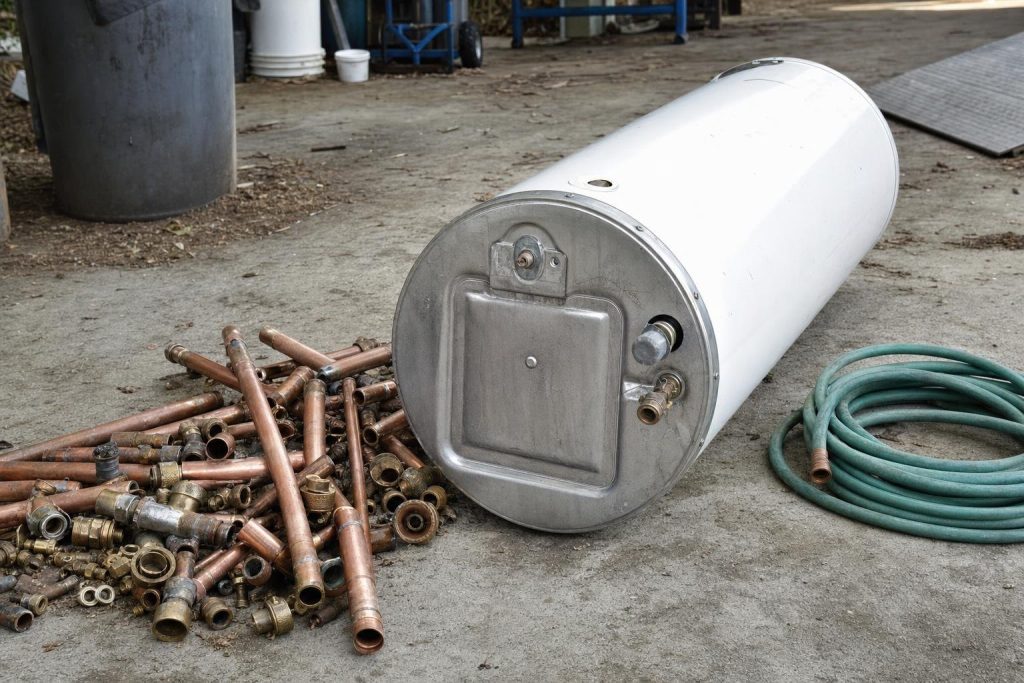
Yes, it is worth scrapping a water heater, but mostly for convenience rather than a big payout. A tank water heater is steel, so it is paid at roughly the light iron rate, which is modest per pound. It still beats paying a hauler or waiting for a bulk pickup, and you may get a little cash back.
Best Price Recycling in Dennisville buys water heaters, usually at the light iron price. Below is what makes a heater worth the trip, how to prepare it, and the mistakes that cost people time.
How much is a scrap water heater worth?
A water heater is mostly a thin steel tank wrapped in insulation and a steel jacket. Steel is a ferrous metal, and thin, bulky steel like this falls into the light iron category. Light iron pays less per pound than heavier, prepared steel or non-ferrous metals like copper and brass.
Scrap prices move with the metals markets, so the payout changes from week to week. You can check today’s scrap prices to see where light iron stands before you load up. Expect a small check for a single heater. The value adds up if you are clearing out several appliances or a full basement.
Why is it still worth the trouble?
- No disposal fee to worry about. Instead of paying someone to haul it, you drive it to a yard and get paid for the metal.
- It frees up space. Old heaters are heavy and awkward, and they tend to sit in garages for years.
- It keeps steel in use. Steel is highly recyclable, and a tank heater goes back into the metal supply instead of a landfill.
- You may have extra scrap too. Copper pipe, brass fittings and old wire from the same job are worth more per pound than the tank itself.
What can you pull off the heater to get more?
The tank is light iron, but a few parts are worth separating if you have the tools and the time.
Copper and brass fittings
Many heaters have copper supply lines and brass shutoff valves, nipples or fittings attached. Cut or unscrew these and keep them apart from the tank. Clean copper tubing and brass are graded separately and pay more per pound than steel. See our guides to scrap copper grades and scrap brass for how to sort them.
The heating elements and wiring
Electric heaters have two screw-in elements. They are mixed metal and not worth fussing over. Loose wire is worth bagging separately; check our insulated wire page to see how it is graded.
The tank itself
Leave the insulation and plastic where practical, but do not spend an hour stripping it. The tank goes in as light iron. Extra stripping rarely pays for the time, and the yard staff will sort and grade what you bring.
How do you prepare a water heater for scrap?
- Turn off the power or gas. Shut off the breaker for an electric unit, or the gas supply and pilot for a gas unit, before you touch anything.
- Turn off the water supply. Close the cold water inlet valve.
- Drain the tank. Attach a garden hose to the drain valve near the bottom and run it to a floor drain or outside. Open a hot tap or the relief valve so air can get in. Water can be very hot, so let it cool first.
- Disconnect the lines. Remove the supply lines, and for gas units the gas line, which should be handled by a qualified person if you are not comfortable doing it.
- Separate copper and brass. Keep these in their own bucket or bag.
- Get it to your vehicle safely. A tank can weigh well over 100 pounds even when empty. Use a hand truck and a helper, and strap it down.
A tank that still has water or sediment in it is heavier and messier, and it is easy to hurt your back. Drain it fully.
Gas or electric: does it matter?
Both are steel tanks and both go in as light iron. A gas heater has a burner assembly and flue at the bottom and center, which stay with the tank. Electric heaters have the elements and wiring. Neither type holds refrigerant, so a standard tank water heater does not fall under the Freon rule. Heat pump water heaters are different because they contain a refrigerant system, so call us before you bring one in.
What mistakes should you avoid?
- Bringing it full of water. It is dangerous to lift and a mess in your vehicle.
- Mixing copper and brass in with the tank. Loose valuable metal can get graded as steel.
- Skipping ID. Sellers must show a valid state-issued photo ID. The guide to what you need to sell scrap metal covers the details.
- Planning on a pickup. We do not pick up appliances or scrap metal, so you need to bring it yourself.
- Dumping it at the curb. Many towns have rules about bulk metal, and you would give up the scrap value.
What else can you bring along?
If the heater is part of a bigger cleanout, load the rest in the same trip. We also buy washers, dryers and dishwashers, plus furnaces and radiators, which are usually paid at the light iron price. Refrigerators and any appliance that still contains refrigerant are not accepted until a licensed HVAC professional has removed the Freon. Our appliances page explains this, and the full what we buy list shows everything else we take.
Selling your water heater at Best Price Recycling
You do not need an appointment. Bring the heater in a vehicle with a valid license plate, and show a valid state-issued photo ID. Sellers must be at least 17 and sign that they are authorized to sell the material. Our staff will sort and grade what you bring, weigh it and pay promptly. The final price depends on how the material grades.
If you are local to Cape May County, our scrap metal recycling guide for Cape May County has more on what to expect.
Bring it to Dennisville
Best Price Recycling is at 1089 Route 47 in Dennisville, across from Wawa. We are open Monday to Friday, 8 AM to 4 PM, with no appointment needed. Questions about a specific heater, such as a heat pump model? Call us at 609-427-3800 before you load up.